
Knowing Whether to Repair or Replace the Furnace in Your Oregon Home
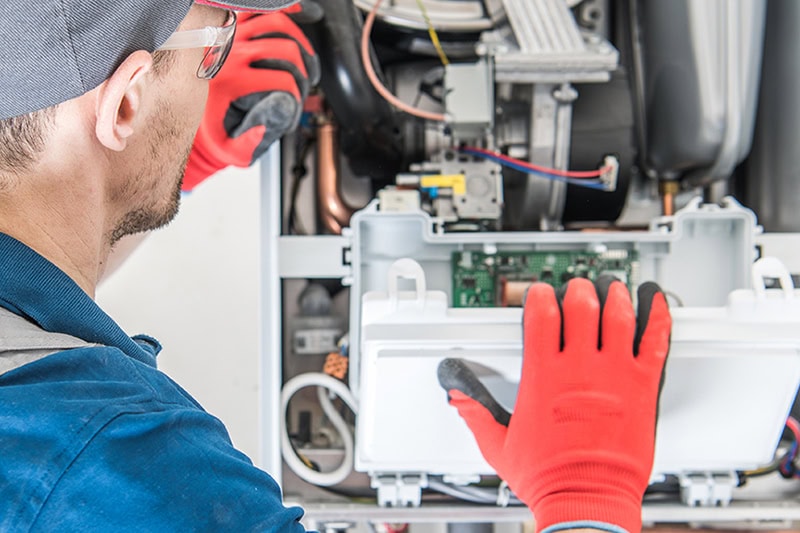
If your furnace needs repair this winter, you’ll face a classic HVAC dilemma: should you shell out the money to fix it, or spend even more on a new unit to replace it?
At Pyramid Heating and Cooling, we help Portland homeowners choose the best answer every day. It typically boils down to a few key factors, including the age and efficiency of your equipment, the repair cost, how well you have maintained your unit, and whether you are ready for an upgraded unit.
We can repair your gas furnace or recommend the best replacement for your Portland, OR, home, whichever makes the most sense for your budget. We also can help you understand the advantages and disadvantages of one choice over the other. Let’s start by considering your furnace’s age.
Is Your Furnace Too Old to Fix?
A standard gas furnace typically lasts between 15 and 20 years. If your furnace is under 10 years old and the repair is minor, such as replacing an ignitor or flame sensor, fixing it is the smarter, less expensive choice.
However, if your system is more than 15 years old and needs costly new components, such as a heat exchanger or blower motor, you are better off investing in a new, reliable replacement than in a costly fix.
The 50 Percent Rule for Furnace Repair or Replacement
If you are facing a hefty repair bill, use the 50 percent rule to determine if a replacement would make better financial sense.
If the repair cost for your older furnace exceeds half the cost of a new unit, replacement is the better choice.
Have You Kept Up With Furnace Maintenance?
Have you been diligent about yearly tune-ups?
If you schedule annual tune-ups, you’ll likely extend your unit’s lifespan and avoid major repairs by catching problems before they worsen. Skipping regular maintenance causes dust buildup, excessive wear on mechanical parts, and efficiency loss, which contribute to premature replacement.
Our Pyramid Comfort Club maintenance plans provide consistent HVAC system care. Regular tune-ups keep your equipment clean and running smoothly. They also protect your manufacturer’s warranty, and can stave off the repair-versus-replacement decision for as long as possible.
Our plans offer comprehensive system checks and include drain line cleaning, gas and safety inspections, cabinet and blower cleaning, and combustion analysis, plus discounts and member-only promotions.
Are You Losing Money on Furnace Inefficiency?
Furnaces lose efficiency as they age, forcing them to run longer and burn more fuel. Twenty percent or more of the fuel your aging, low-efficiency furnace burns becomes exhaust gas rather than heat.
High-efficiency furnaces convert a much higher percentage of natural gas into heat for your home. They don’t waste as much fuel as standard furnaces, and they don’t consume as much energy. That’s good news, because a new, upgraded furnace can help you save money, even as natural gas prices climb.
According to the U.S. Energy Information Administration, residential natural gas prices in Oregon steadily rose from $10.91 per thousand cubic feet in 2020 to $21.60 per thousand cubic feet in June this year.
Whether you have a new or old furnace, you are paying more for natural gas. However, you won’t have to buy as much fuel for a high-efficiency furnace. The money you save in lower fuel consumption can help you offset the cost of buying a new, high-efficiency furnace.
Do You Want Better Furnace Features?
While contemplating repair vs. replacement, consider the advantages of upgrading your furnace. Repairing an aging, single-stage furnace with an 80 AFUE rating merely keeps a basic system running. Replacing it lets you take advantage of modern HVAC technology.
Variable-Speed Blowers: These motors run at the exact speed and duration of time needed to meet heating demand. On a milder day, the blower might run at a low speed for longer to maintain the thermostat setting. On colder days, when the thermostat calls for more heat, the blower increases speed to move it through your home.
Two Heat Exchangers: High-efficiency furnaces have a secondary heat exchanger that can extract additional heat from the exhaust gas before it is vented to the outdoors. They also have a sealed combustion system that uses outdoor air, enhancing safety and indoor air quality.
Modulating Gas Valves: They continuously regulate gas flow, adjusting it in increments to meet heating needs.
Smart Controls: Some furnace control boards allow technicians to access diagnostic reports, system settings, and sensor data on their smartphones.
FAQs
What are the benefits of upgrading to a high-efficiency furnace?
High-efficiency furnaces save money on fuel costs and have a lower environmental impact than older, standard furnaces. You’ll also notice more consistent temperatures throughout your home.
What are some other red flags for furnace replacement besides costly repairs and system age?
ENERGY STAR® says frequent repairs, increasing energy bills, humidity problems, an excessively dusty home, and a noisy system indicate it may be time for replacement.
What is the typical lifespan of a gas furnace?
Most furnaces last 15 to 20 years. If your furnace is less than 10 years old, go for the repair. As your furnace ages, it loses efficiency and may need more frequent repairs. At that point, replacement makes more sense.
Get Expert Advice from Pyramid Heating and Cooling
If your furnace in Portland, OR is on the fritz, let our pros inspect it and give you an honest recommendation. Need help keeping furnace maintenance on track? We’ll introduce you to our Pyramid Comfort Club. Call us at (503) 404-3363 or request service online.
Need HVAC Service?
Contact the experts at Pyramid Heating and Cooling.
Call us at (503) 416-2201!